
National Lost Pet Prevention Month: 6 Tips to Keep Your Pets Safe This Summer
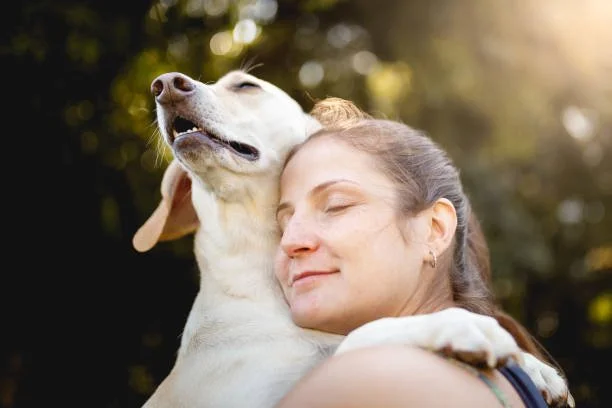
July is National Lost Pet Prevention Month, making it the perfect time to think about keeping our furry family members where they belong, safe at home.
The Fourth of July and the days surrounding it are the busiest days of the year for animal shelters and rescues taking in lost pets. Frightened by fireworks, thunderstorms, and other loud summer celebrations, many dogs and cats panic, escape from their yards or homes, and become lost.
Summer vacation season also brings new challenges for pets. Whether they’re traveling with their families or staying home with a pet sitter, unfamiliar surroundings, changes in routine, or separation from their owners can increase the risk of pets becoming disoriented or escaping.
Unfortunately, the odds aren’t always in their favor. According to the ASPCA, approximately 6.5 million companion animals enter U.S. animal shelters each year. While some are reunited with their families, too many never make it back home. Losing a beloved pet is every pet owner’s worst nightmare, but the good news is that many of these situations are preventable.
Here are some steps you can take to help keep your pets safe this summer and all year long:
ID Tags - One of the easiest and most effective ways to help a lost pet find its way home is by making sure they always wear a collar with up-to-date identification tags. Your pet's ID tag should include:
Your pet's name
Your name
Your current phone number
Recently, one of our team members was able to reunite a lost dog with its family just because the dog was wearing an ID tag! A brightly colored collar with reflective material can also make your pet easier to spot during evening walks or if they wander after dark.
Microchip Your Pets - A microchip is one of the best forms of permanent identification your pet can have! About the size of a grain of rice, a microchip is implanted just beneath your pet's skin between the shoulder blades and contains a unique identification number linked to your contact information. Unlike collars or ID tags, microchips can't fall off or be removed.
If your pet is found, veterinary clinics, shelters, and rescue organizations can scan the microchip to access your contact information and help reunite you with your pet.
If your pet isn't microchipped yet, our Bredel Veterinary Clinic can help! Call 301-387-7729 to schedule an appointment.
Practice Safe Outdoor Habits - Whenever your dog is outside, make sure they're either in a securely fenced yard or on a leash. Even the best-trained dogs can become frightened by unexpected noises like fireworks or thunderstorms and run before you have a chance to react. When exploring new places, always keep your dog leashed, even if they usually have excellent recall.
Escape-Proof Your Home - Taking a few minutes to inspect your home can help prevent unexpected escapes.
For dogs:
Check fences for gaps, loose boards, or places where your dog could squeeze underneath.
Make sure gates latch securely every time they're closed.
For cats:
Ensure window screens are secure and in good condition.
Check balconies, porches, and doors for potential escape routes.
Be extra cautious whenever doors are opened, as curious cats can slip outside in seconds.
Training and Behavior Management - A well-trained pet is often less likely to bolt. Teaching basic obedience commands, especially a reliable recall, can make all the difference if your dog slips away. It's also important to address any anxiety or fear that may contribute to escape attempts. Remember to use positive reinforcement. Reward your pet for coming when called rather than punishing them after an escape attempt. This helps build trust and encourages them to return to you in the future.
Stay Prepared - Even with the best precautions, accidents can happen. Keep a recent photo of your pet readily available in case you ever need to create lost pet flyers or social media posts. Schedule regular veterinary checkups to ensure your pet stays healthy and discuss any behavioral concerns that could increase the risk of escaping. If your pet spends time outdoors or travels frequently, it's also worth considering pet insurance to help cover unexpected veterinary expenses should an emergency occur.
Prevention is the Best Protection!
National Lost Pet Prevention Month serves as an important reminder that prevention is the best way to protect our pets. A few simple precautions, like keeping identification current, microchipping your pet, securing your home, and practicing safe outdoor habits, can make all the difference if your pet ever becomes separated from you.
At HART for Animals, we're committed to helping pets stay safe, healthy, and with the families who love them.
If you have questions about microchipping or our veterinary services, call the Bredel Veterinary Clinic at 301-387-7729. You can also visit hartforanimals.org to learn more about our adoption program, veterinary clinic, and other services.
Don't forget to follow HART on Facebook, Instagram, and YouTube for more pet care tips, adoptable pets, and community updates!