
Cold Noses, Warm Hearts: Winter Safety Tips for Pets
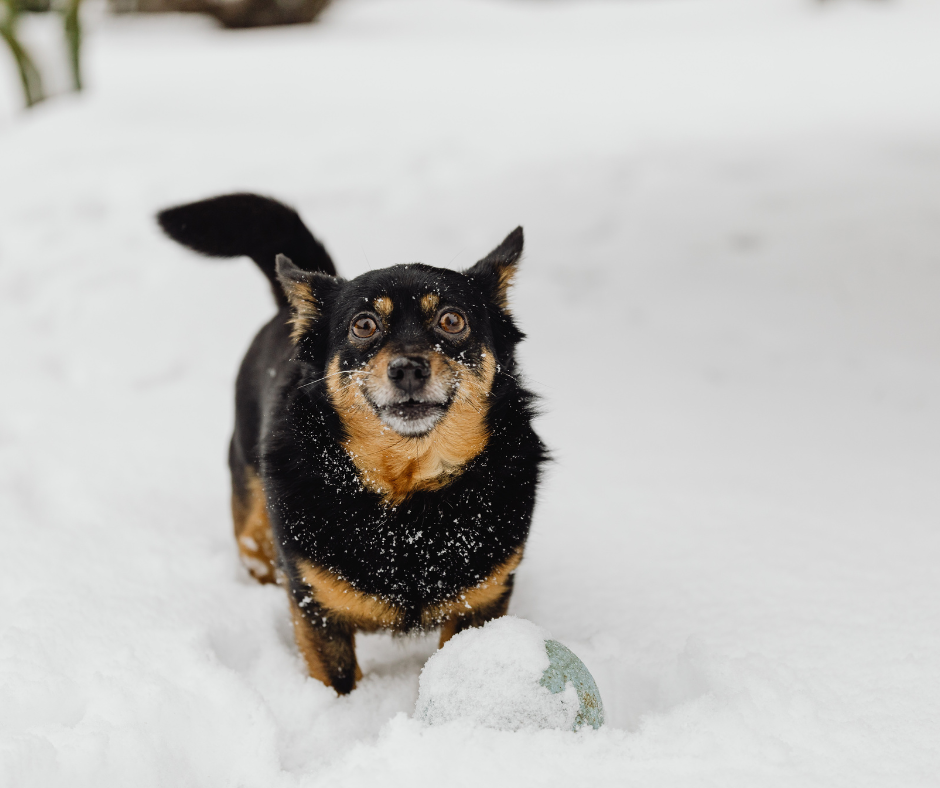
With winter in full swing, it’s the perfect time to brush up on cold-weather safety for our pets. Snow, frigid temperatures, and icy conditions can create serious risks, so taking a few extra precautions helps keep your furry companions safe and comfortable all season long.
Cold air, ice, and harsh winter moisture can cause chapped paws and dry, irritated skin, and that’s just the start. To help protect your pets from common winter hazards, here are 10 essential cold-weather safety tips:
If it’s too cold for you, it’s too cold for them - Keep pets indoors as much as possible. Outdoor exposure can lead to frostbite, confusion, injury, or worse. And never leave your pet alone in a car during winter! Vehicles trap cold air and can quickly become dangerously cold.
Keep skin healthy and dry - Dry indoor heat paired with cold air outdoors can lead to flaky, itchy skin. Towel-dry your pet as soon as they come inside, paying close attention to their toes and any snow packed between paw pads.
Protect those paws - Apply a vet-approved paw protectant or petroleum jelly before heading out. This helps shield paws from salt and chemicals. Booties offer even better protection. When you come back inside, wipe paws clean and choose pet-safe ice melts whenever possible.
Avoid shaving in winter - A dog’s coat provides built-in insulation. Long-haired dogs may benefit from a trim to prevent ice buildup, but never shave them down. Short-haired dogs often appreciate a warm coat or sweater that covers from the neck to the belly.
Rinse after winter walks - Ice, salt, and chemicals can irritate skin, so wash and dry your pet’s feet and stomach after each walk. Check paw pads for cracks and watch for redness between toes.
Limit baths - Frequent bathing strips natural oils and increases dryness. When a bath is needed, ask your vet to recommend a moisturizing shampoo or rinse.
Handle antifreeze and chemicals carefully - Antifreeze and many ice-melting products are highly toxic to pets. Clean spills immediately and consider using products made with propylene glycol instead of ethylene glycol. Always store winter chemicals safely out of reach.
Offer a little extra food and plenty of water - Pets use more energy staying warm during the winter. Slightly increased food portions and plenty of fresh water help maintain hydration and healthy skin.
Create a warm sleeping spot - Make sure your pet has a cozy bed away from drafts and off cold floors. A soft blanket or warm pillow adds extra comfort.
Never let dogs roam off-leash on ice or during storms - Snow can mask scents and landmarks, making it easy for dogs to become lost. Winter is one of the most common seasons for missing pets, so be sure your pet is microchipped and wearing an ID tag at all times.
Need a microchip? Call the Bredel Clinic at 301.387.7729 to schedule an appointment.
By keeping these winter safety tips in mind, you can help your pets stay warm, cozy, and protected all season long.
For any pet care needs, call the HART Animal Center at 301.387.7729.
For more information about HART, the HART Animal Center, our programs, or to donate, visit www.hartforanimals.org or connect with us on Facebook at www.facebook.com/HARTforAnimals.