
September is Animal Pain Awareness Month!

September is Animal Pain Awareness Month, a time dedicated to educating pet owners about how to recognize, prevent, and treat acute and chronic pain in animals.
One of the most important messages of Animal Pain Awareness Month is that old age is not a disease, but pain can be. Our pets may slow down as they age, but changes in mobility, behavior, appetite, or daily routines shouldn’t automatically be dismissed as “just getting older.”
Just like people, animals experience pain. However, pets often instinctively hide their discomfort, which can make it difficult for us to recognize when something is wrong. Since they can’t tell us when or where they hurt, it’s important to know your pet’s normal routines and pay attention to changes in their behavior.
Recognizing pain early can help your veterinarian diagnose the underlying problem and begin treatment sooner, helping your pet get back to feeling their best.
Signs of Pain in Pets
Pain can look different from one pet to another. Some common signs include:
Decreased activity: Your pet may be less interested in playing, have difficulty standing after lying down, avoid stairs, or be reluctant to jump onto furniture or other surfaces. This can be especially noticeable in cats, who may stop jumping to their usual favorite spots.
Changes in grooming: Licking or chewing at one particular area, or stopping normal grooming altogether, can be a sign that something hurts.
Decreased appetite: A sudden loss of interest in food or water can indicate pain, as well as a number of other potentially serious medical conditions.
Changes in behavior: Hiding, whining or crying out, restlessness, or unusual irritability or aggression can all be signs that your pet is uncomfortable.
Changes in routine: Changes in sleeping habits, activity levels, or favorite places to rest may indicate that your pet isn’t feeling well.
If you notice a change in your pet’s normal behavior, don’t ignore it. Even subtle changes can be an important clue that something is going on.
What to Do, and What Not to Do
If you suspect your pet may be in pain, here are some important steps to take:
Contact your veterinarian. If you notice changes in your pet’s health or behavior, your veterinarian can help determine what may be causing the problem and recommend appropriate treatment.
Take note of symptoms. Pay attention to when the changes started, what you’ve noticed, and whether anything seems to make the symptoms better or worse. The more information you can provide your veterinarian, the better.
Limit activity when appropriate. If your pet is experiencing an injury or mobility issue, limiting movement and access to stairs or other potentially hazardous areas can help prevent additional injury until they can be evaluated.
Never give your pet medication without veterinary guidance. Human medications can be dangerous—even toxic—to pets. Never give your pet human pain relievers or other medications unless specifically instructed to do so by your veterinarian. Learn more about the dangers of human medications for pets here.
Maintain a healthy lifestyle. Regular exercise, a nutritious diet, and maintaining a healthy weight can help support your pet’s overall health and mobility. When it comes to keeping our pets healthy and happy, prevention really can be the best medicine!
Exploring Pain Management Options
Depending on the cause of your pet’s pain, your veterinarian may recommend a variety of treatment and pain-management options.
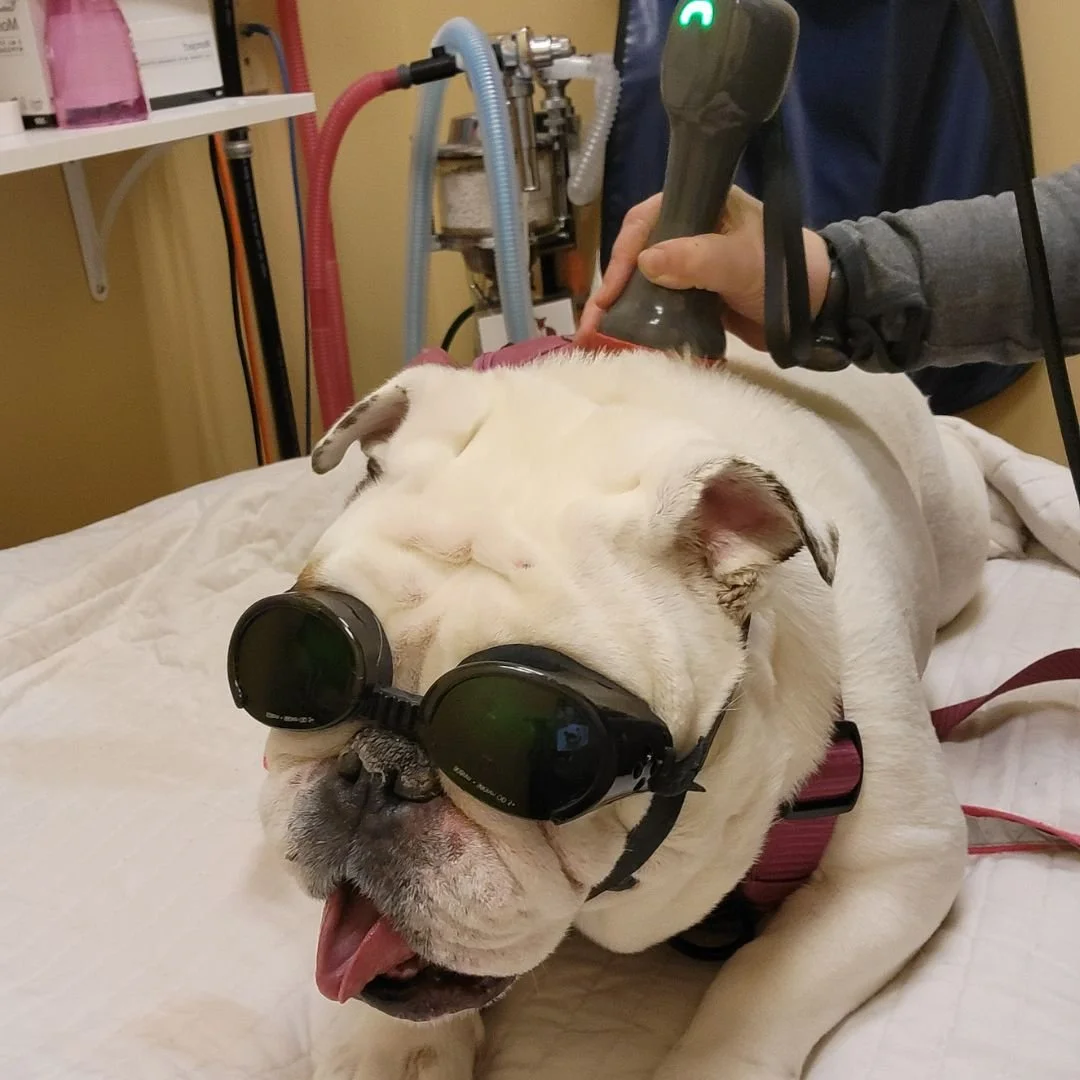
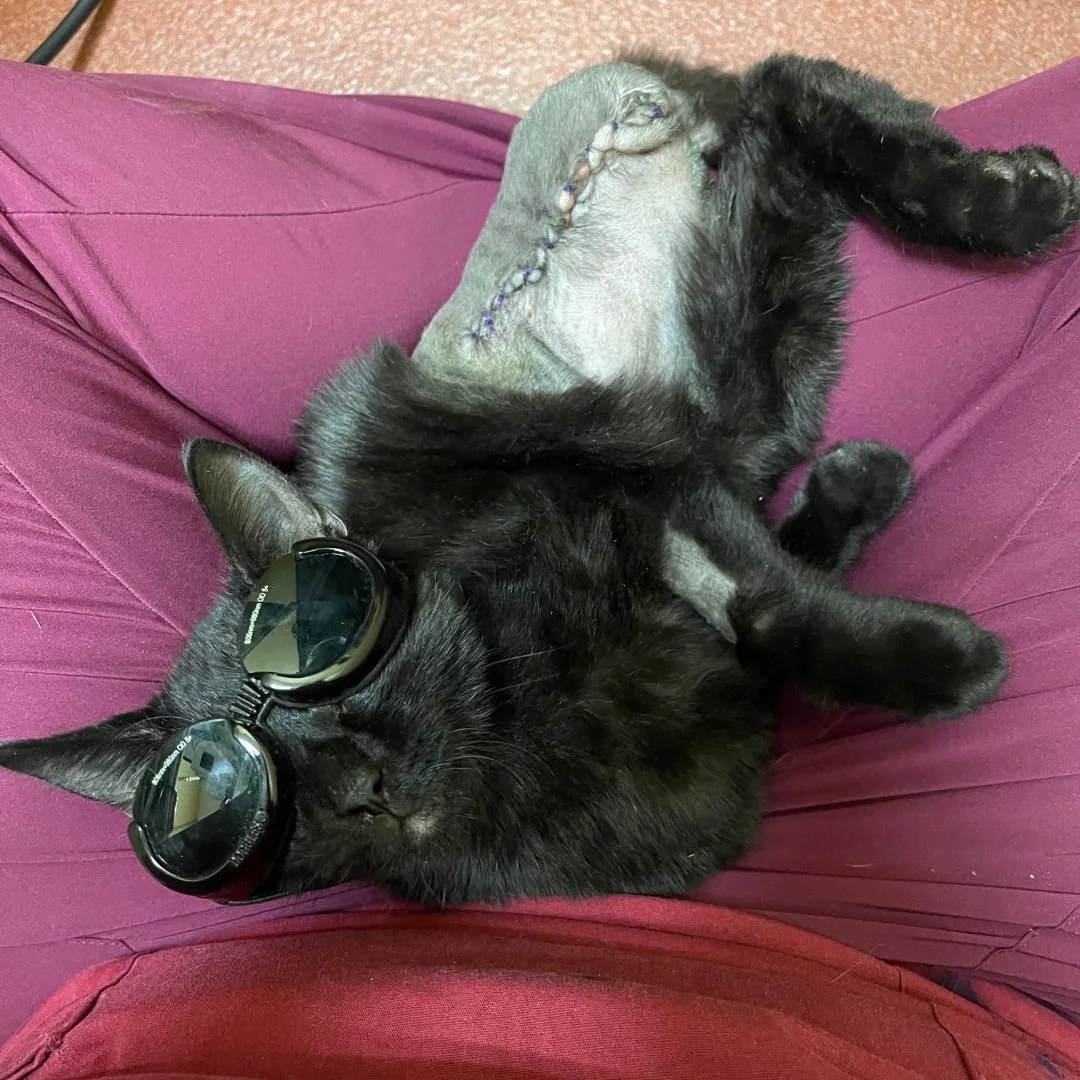
One option to consider is laser therapy. Laser therapy is a safe, non-invasive treatment that uses light energy to help reduce pain, promote healing, and improve comfort, without adding additional medications.
Laser therapy may be beneficial for a variety of conditions, including arthritis, post-surgery recovery, injuries, and certain chronic skin conditions. It can be a gentle, low-stress option for both dogs and cats and may be used as part of a larger pain-management plan recommended by your veterinarian.
Helping Your Pet Feel Their Best
Our pets depend on us to recognize when something isn’t right. By knowing your pet’s normal behavior and paying attention to even subtle changes, you can help identify potential problems sooner.
If you think your pet may be experiencing pain, don’t wait for the symptoms to get worse. Talk with your veterinarian about what you’re seeing and what options may be available to help your pet feel more comfortable.
Need Veterinary Care?
To schedule an appointment at our Bredel Veterinary Clinic, call the HART Animal Center at 301-387-7729.
For more information about HART for Animals, the HART Animal Center, our programs, or ways you can support pets in need, visit www.hartforanimals.org.
You can also join the HART for Animals community on Facebook at www.facebook.com/HARTforAnimals.