
National Animal Safety & Protection Month
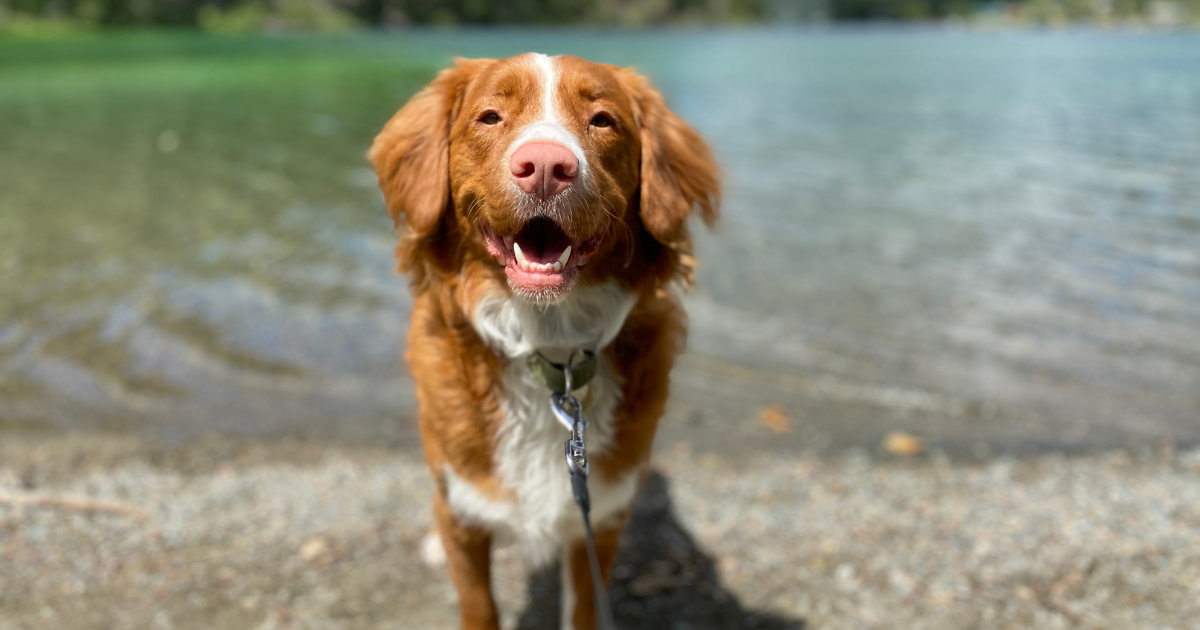
October is National Animal Safety & Protection Month, making it the perfect time to focus on keeping our pets safe, healthy, and protected. Our pets are cherished members of the family, and they depend on us to protect them from potential hazards both inside and outside the home.
This month is a great opportunity to take a closer look at your home, routines, and emergency plans to make sure they’re as pet-friendly and safe as possible. From preventing household accidents to keeping up with routine veterinary care, a few simple precautions can make a big difference!
Here are some helpful pet safety tips to help keep your furry family members safe throughout the year!
Keeping Your Home Safe
Our homes are where our pets spend much of their time, but they can also contain unexpected hazards. Take a few minutes to look around your home from your pet’s perspective and identify anything that could pose a risk.
Secure hazardous items: Keep cleaning supplies, medications, and other potentially toxic substances in locked cabinets or safely out of reach of curious paws and noses. Remember that some common foods, including chocolate and grapes, as well as certain houseplants, can be toxic to pets.
Eliminate choking hazards: Keep small objects such as rubber bands, buttons, children's toys, and other items that could be swallowed out of your pet’s reach.
Create a safe space: Give your pet a comfortable area where they can relax away from household activity. Include a cozy bed, favorite toys, and access to fresh water.
Practice fire safety: Have a fire evacuation plan that includes your pets. Keep leashes, carriers, and other essentials somewhere easily accessible in case you need to leave your home quickly.
Health & Wellness
Preventive care is an important part of keeping your pet safe and healthy. Regular veterinary care can help catch potential health problems early and ensure your pet is protected against preventable illnesses.
Schedule regular veterinary visits: Annual wellness exams allow your veterinarian to monitor your pet’s health, identify potential concerns, and make sure their vaccinations are up to date. Puppies, kittens, senior pets, and pets with medical conditions may need more frequent visits.
Provide proper nutrition: Feed your pet a balanced diet appropriate for their age, size, and health needs. Be especially mindful of what your pet eats during the holiday season, when tempting but potentially toxic foods may be more accessible.
Keep up with flea and tick prevention: Cooler weather doesn’t necessarily mean flea and tick season is over. Year-round prevention can help protect your pet from parasites and the diseases they can carry. Be sure to check your pet after spending time outdoors, too.
Outdoor Safety Tips
Whether your pet is going for a walk, playing in the yard, or enjoying an outdoor adventure, keeping them supervised and properly identified is essential.
Use a secure leash or harness: Always supervise your pet when they’re outside and use a properly fitted leash and/or harness to help prevent escapes.
Make sure your pet can be identified: Your pet should always wear a collar with an up-to-date identification tag when outside. A simple name tag can make all the difference in helping your pet find their way home if they become lost. Microchipping provides an additional, permanent form of identification that can’t fall off or be removed like a collar. If your pet is ever found, a veterinarian, shelter, or rescue organization can scan the microchip to help identify you as their owner. Need to have your pet microchipped? Call the HART Animal Center at 301-387-7729 to schedule an appointment.
Protect your pet from the weather: Make sure your pet has access to shade and fresh water during hot weather. In colder temperatures, consider a warm jacket or other appropriate protection, and avoid prolonged exposure to extreme cold.
Travel Safety
Traveling with your furry family members requires a little extra planning. Whether you’re taking a short road trip or heading out of town for a longer vacation, keep these safety tips in mind:
Use appropriate carriers and restraints: When traveling by car, keep your pet safely secured in a properly sized carrier, crate, or pet seat belt. Never allow your pet to ride loose in the vehicle.
Pack an emergency pet travel kit: Bring food, water, medications, a pet first-aid kit, vaccination records, and familiar items such as a favorite blanket or toy. Having these essentials on hand can make an unexpected situation much easier to manage.
Consider boarding: If your pet isn’t traveling with you, boarding can provide peace of mind while you’re away. The Bed ‘n Bark Inn pet hotel at the HART Animal Center offers a comfortable home away from home for dogs and cats, with caring staff to look after them while you’re gone. Learn more about the Bed ‘n Bark Inn.
Be Prepared Before an Emergency Happens
One of the best ways to protect your pet is to prepare before an emergency occurs. Make sure you know where your pet’s veterinary records are located, keep important medications and supplies readily available, and have contact information for your veterinarian and the nearest emergency veterinary hospital saved in your phone.
It’s also a good idea to keep a current photo of your pet and make sure their microchip registration and identification information are up to date. These simple steps can make a stressful situation much easier to navigate!
Keep Your Pets Safe All Year Long
National Animal Safety & Protection Month is a great reminder that protecting our pets is an everyday responsibility. By taking a few simple precautions, keeping up with preventive veterinary care, and preparing for emergencies, we can help our furry family members stay safe, healthy, and happy.
If you have questions about your pet’s health or it’s simply time for their next checkup, HART is here to help. From veterinary services and preventive care to boarding and more, we’re here to support pets and the people who love them.
Have questions or need to schedule an appointment? Call the HART Animal Center at 301-387-7729 or visit www.hartforanimals.org to learn more about our veterinary services, programs, and mission.