
Why Year-Round Flea, Tick & Heartworm Prevention Matters
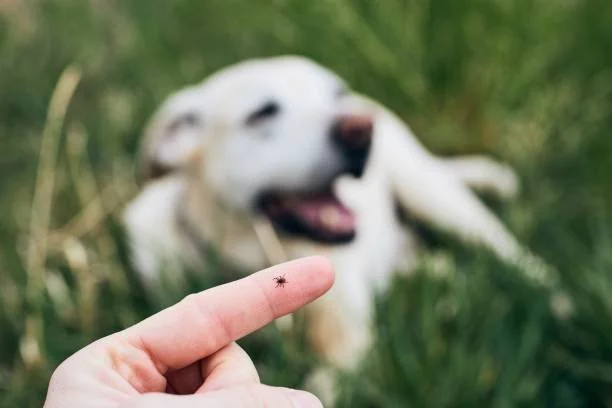
Protecting your pet’s health doesn’t take a season off!
When the temperatures drop and summer feels like a distant memory, it’s tempting to think flea, tick, and heartworm prevention can take a break, too. After all, fewer bugs seem to be buzzing around, and your pet might be spending less time outdoors.
But parasites don’t necessarily disappear when the weather changes. Fleas can survive indoors year-round, ticks can remain active during milder winter days, and mosquitoes that transmit heartworm disease can still pose a risk when conditions allow. That’s why veterinarians recommend keeping dogs and cats on consistent, year-round parasite prevention.
A little prevention goes a long way toward protecting your furry family members from uncomfortable infestations, serious illness, and potentially costly veterinary treatment!
Flea Prevention: More Than Just an Itch
Fleas are tiny, but the problems they cause can be significant. These pesky parasites feed on your pet’s blood and can quickly multiply, turning a small problem into a full-blown infestation.
Flea bites can cause intense itching, skin irritation, and allergic reactions known as flea allergy dermatitis. In severe infestations, particularly in young or small pets, blood loss can even lead to anemia. Fleas can also transmit tapeworms when an infected flea is swallowed.
A single female flea can lay up to 50 eggs a day, quickly infesting carpets, bedding, and furniture.
And here’s the tricky part: Fleas can thrive inside your home all year long. Even if your pet spends most of the winter curled up on the couch, fleas can survive and reproduce in warm indoor environments. Once they establish themselves in your home, getting rid of them can require treating both your pet and the surrounding environment.
Year-round flea prevention helps stop infestations before they start, keeping your pet more comfortable and your home flea-free!
Tick Prevention: Don't Let Your Guard Down
Ticks are more than just an outdoor nuisance. These parasites attach to your pet and feed on their blood, and some species can transmit serious diseases, including Lyme disease, ehrlichiosis, Rocky Mountain spotted fever, and anaplasmosis.
While tick activity often increases during warmer months, certain ticks can remain active whenever temperatures rise above freezing. That means a mild winter afternoon spent exploring the yard or walking a favorite trail can still come with risks.
Ticks can also hitch a ride inside on pets or people, making it possible for them to enter your home even when your pet hasn't wandered far.
Using a veterinarian-recommended tick preventative throughout the year helps reduce the risk of tick bites and tick-borne illnesses. It's also a good idea to check your pet for ticks after spending time outdoors, paying special attention to the ears, around the eyes, under the collar, between the toes, and beneath the legs.
Heartworm Prevention: A Small Step That Can Save a Life
Heartworm disease is one of the most serious parasite-related threats to pets. It is caused by worms that live in the heart, lungs, and associated blood vessels. Heartworms are transmitted through the bite of an infected mosquito.
In dogs, heartworm disease can cause coughing, fatigue, exercise intolerance, lung disease, heart failure, and even death. Cats can also become infected, and even a small number of heartworms can cause significant respiratory problems. Unfortunately, there is no approved drug treatment for eliminating adult heartworms in cats, making prevention especially important.
Because mosquitoes can enter homes and remain active during periods of favorable weather, heartworm exposure isn't limited to summer. In areas with changing seasons, unpredictable temperatures can make it difficult to know exactly when mosquito activity will begin or end.
The good news? Heartworm disease is largely preventable. Giving your pet their prescribed heartworm preventative on schedule helps protect them from infection. Most preventatives are given monthly to keep your furry family member up to date!
Heartworm prevention is especially important because treatment for dogs can be expensive, lengthy, and physically demanding. Prevention is key! Preventative medication is generally much simpler and less costly than treating an infection.
Why Year-Round Prevention Is the Best Approach
It can be easy to forget a dose when your routine changes with the seasons. However, skipping doses or stopping prevention during colder months can leave gaps in your pet's protection.
Consistent prevention offers several important benefits:
Reduces the risk of disease: Helps protect your pet from parasites that can cause serious health complications.
Prevents uncomfortable infestations: Helps keep your pet free from flea bites, itching, and irritation.
Protects your household: Reduces the chance of bringing certain parasites into your home.
May save money over time: Preventing an infestation or infection is often easier and less expensive than treating one.
Makes protection easier to manage: A consistent schedule helps you avoid missed doses and gaps in coverage.
Every pet has different needs, so the best prevention plan depends on their age, health, lifestyle, location, and medical history. Your veterinarian can help you choose safe, effective products and determine which preventatives your pet needs.
Keep Your Pet Protected in Every Season
Whether your pet is chasing leaves in the fall, exploring the snow in winter, enjoying springtime walks, or playing in the summer sunshine, parasite prevention is an important part of their overall health.
Don't wait until you spot a flea, find a tick, or notice signs of illness to think about prevention. Talk with your veterinarian about a year-round plan that fits your pet's needs, and make parasite prevention part of your regular care routine.
At HART for Animals, we believe every pet deserves the opportunity to live a happy, healthy life. Staying current on preventive care is one of the simplest ways to help your furry family member stay healthy throughout the year.
Have questions about your pet’s preventive care or need to schedule an appointment at our Bredel Veterinary Clinic? We’re here to help! Call HART Animal Center at 301-387-7729 to schedule an appointment or speak with our team. A little prevention today can make a big difference tomorrow!