
April is Prevent Lyme Disease in Dogs Month!
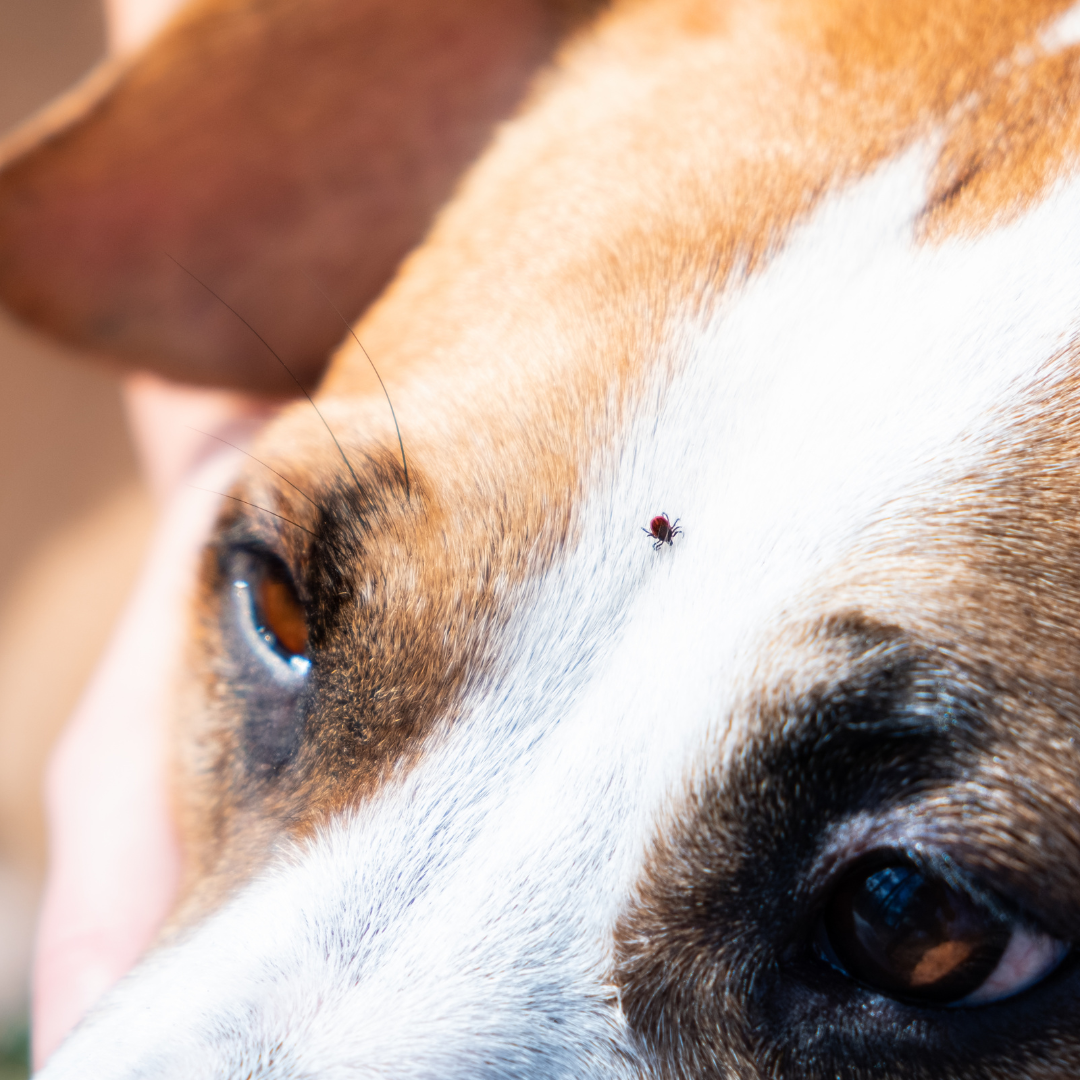
April marks Prevent Lyme Disease in Dogs Month, an initiative started by the Lyme Disease Foundation to raise awareness about how to prevent, identify, and treat Lyme disease in dogs.
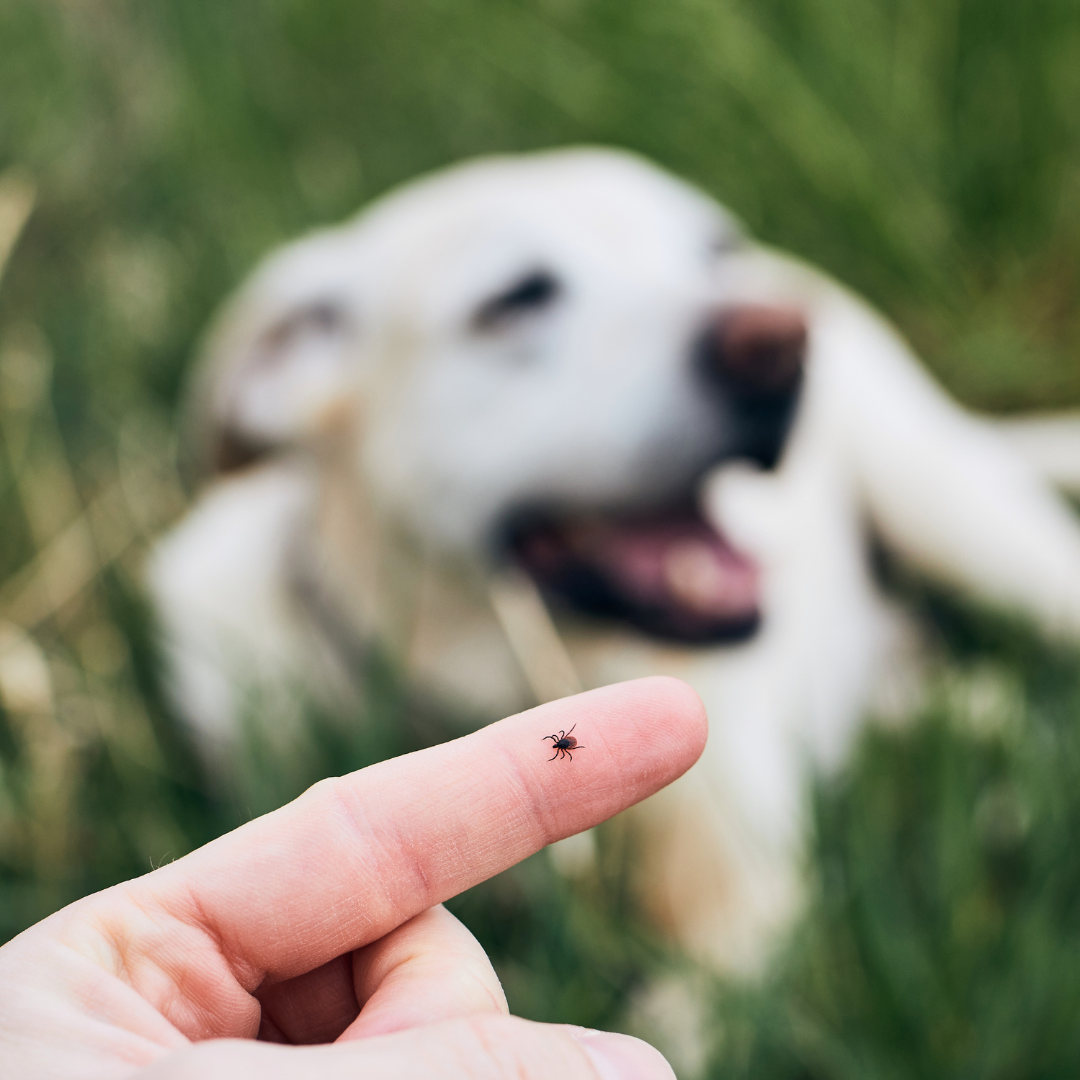
As spring arrives and temperatures start to warm up, dogs and their owners naturally spend more time outdoors, unfortunately increasing the risk of tick exposure. Black-legged (deer) ticks, commonly found in many parts of the U.S., can carry Borrelia burgdorferi, the bacteria responsible for Lyme disease.
What is Lyme Disease?
Lyme disease (also known as borreliosis) is a serious illness that can lead to joint pain, swelling, fever, and even kidney complications in dogs. While not all deer ticks carry the bacteria, certain regions, especially the Midwest and Eastern United States, are considered high-risk areas.
Symptoms don’t always appear right away and may take two to five months to develop. Early signs often include lethargy and joint discomfort. Without treatment, Lyme disease can lead to long-term health issues and, in severe cases, can be fatal.
Risk Factors
Although any dog can contract Lyme disease, some are at higher risk, including:
Dogs who spend significant time outdoors, especially in wooded or grassy areas
Dogs living in regions where Lyme disease is more common, including the Northeast, Mid-Atlantic, and Upper Midwest
Dogs without consistent tick prevention, such as regular checks or preventative treatments
How to Protect Your Dog
Prevention is the best defense. Here’s how you can help keep your dog safe:
Schedule regular vet visits: Early detection is key. Routine check-ups can help catch Lyme disease before it progresses.
Use tick prevention: Talk to your veterinarian about the best preventative options for your dog.
Check for ticks daily: Especially after time spent outdoors.
Stick to safer paths: Avoid tall grass and wooded areas when possible, and keep your dog on a leash during walks.
Spread awareness: Share information about Lyme disease with fellow pet owners and follow along on our Facebook page as we highlight tips throughout the month.
Symptoms to Watch For
Recognizing the signs early can make all the difference. Contact your veterinarian if your dog shows:
Lethargy or decreased energy
Loss of appetite
Fever
Limping or shifting lameness
Swollen joints
Difficulty breathing
Why This Month Matters
Prevent Lyme Disease in Dogs Month is a reminder that a little awareness goes a long way.
Protect your pet: Early prevention and treatment can help avoid serious complications.
Stay informed: Knowing the risks helps you take action sooner.
Gain peace of mind: With proper care, Lyme disease is treatable and often manageable.
Let Us Help
At the Bredel Veterinary Clinic, we’re here to support your pet’s health every step of the way, from prevention to diagnosis and treatment.
Give your dog the protection they deserve this spring and beyond. Call the HART Animal Center at 301.387.7729 to schedule an appointment and keep your furry friend happy, healthy, and tick-free.